
Flower Growing in Liguria: Sanremo and Albenga
Flower growing is part of everyday agriculture in western Liguria: Sanremo is associated with the cut-flower trade, while the Albenga plain is known for aromatic potted plants. If you are interested, distinguish between production sites and attractions open to the public, and arrange visits in advance.
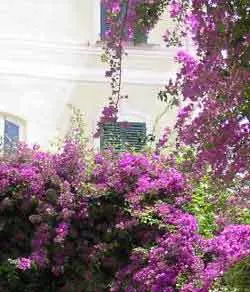 Bougainvillea in voller Pracht.
Photo: Rainer Lenk
Bougainvillea in voller Pracht.
Photo: Rainer Lenk
Flower growing in Liguria: key facts
- Sanremo and Albenga represent different areas of focus in the region’s horticulture industry.
- Sanremo is home to the Mercato dei Fiori, an important flower-trading venue.
- The Piana Ingauna near Albenga is known for aromatic potted plants.
- In 2024, the Liguria Region reported that more than 120 million pots of aromatic plants are produced each year on the Albenga plain.
- Check directly with the relevant organizations about market visits, business tours, and current events.
Sanremo: the cut-flower trade
The Mercato dei Fiori in Sanremo is part of the region’s flower-trading network. It should not therefore be assumed to be a public flower hall, a garden, or an attraction that is open to visitors at all times. Daily work follows the rhythms of the trade, so visitor opening hours cannot be inferred from this. If you would like to see the site, ask in advance about access, possible tours, and suitable times. The Mercato dei Fiori contact details are the right place to start for up-to-date information.
In January 2024, the region reported that more than 120 million pots of aromatic plants are produced each year on the Piana Ingauna. This figure reflects the statement made at the time and should not be treated as a verified production total for every subsequent year. In February 2026, the Liguria Region described horticulture as a dynamic, export-oriented sector. Both statements highlight the importance of the industry, but neither replaces current information about individual businesses or points of sale.
Albenga: aromatic plants from the plain
Around Albenga, aromatic herbs such as rosemary, lavender, thyme, sage, mint, and marjoram grow in a range of varieties and forms. Cultivated plants are also sold as potted plants. Their fragrance and culinary uses make them a vivid example of the connection between agriculture and regional food culture for many visitors. The Liguria Region mentions the aromatic plants of the Piana Ingauna in a statement about Albenga Aromatica; this is where you can find the context for the production figure cited above.
During a visit to the area, you can combine Albenga’s old town with views of the surrounding plain. However, a greenhouse or nursery is not automatically open to drop-in visitors. Ask the business whether visits are possible, which areas are accessible, and whether booking is required. Do not confuse a plant-selling business with a botanical garden or a tourist display area.
Combining flowers and herbs in your itinerary
Sanremo is a good choice if you are interested in the flower trade and would like to combine your visit with a stroll around the city. Albenga is a great addition if aromatic herbs, agriculture, and historic town centers are your main interests. Both towns are in western Liguria, but they offer different perspectives and should not be treated as a single excursion destination. For Sanremo, the Sanremo city guide and information about accommodation in Sanremo can help with planning.
The difference is also reflected in the kitchen: cut flowers are central to the trade, while aromatic plants can be used as seasonings or fresh ingredients. For a tasting, ask about regional dishes and seasonal offerings rather than assuming a particular menu will be available. Combine your stay with a walk, a visit to the old town, or a trip to the coast. Recheck opening hours, access rules, and dates shortly before your trip, as these can vary from one business to another.
What to check before a visit
Ask in advance whether a visit is actually possible and which areas can be shown. A trading or production business does not necessarily organize its sales operations for visitors. Before settling on your travel and accommodation arrangements, ask about booking, language, group size, duration, and any restrictions. If no tour is available, you can explore the town and its public spaces instead. In Sanremo, a possible market visit can be combined with the historic center; in Albenga, you can plan the plain, the old town, and the local cuisine as separate activities. Check specific dates directly with the organizer: a regional growing season or an active industry does not in itself mean that a site is open to tourists.
