
Planning a holiday in Liguria: Riviera, coastal towns and inland areas
Find accommodation
Liguria links the Italian Riviera with coastal towns, port cities, steep hills, olive groves and small villages inland. When planning a holiday, first decide whether the focus is on the beach, city sightseeing, touring, hiking, a family holiday, food and wine, or accommodation near a particular coastal town.
This homepage helps you find your way around Ligurien-Netz. It guides you to accommodation, places, travel information and holiday ideas, and helps you weigh up the main decisions involved in planning a trip. Liguria is narrow but remarkably varied: the landscape, routes, beaches, prices and pace of travel change considerably between the French border, the Riviera di Ponente, Genoa, the Riviera di Levante, Cinque Terre and La Spezia.
For a quick start, explore the main sections on accommodation in Liguria, places and regions in Liguria, practical information about Liguria and ideas for a holiday in Liguria. If you already have a specific destination in mind, you can continue from there to coastal towns, landscapes, excursions, transport information and accommodation pages.
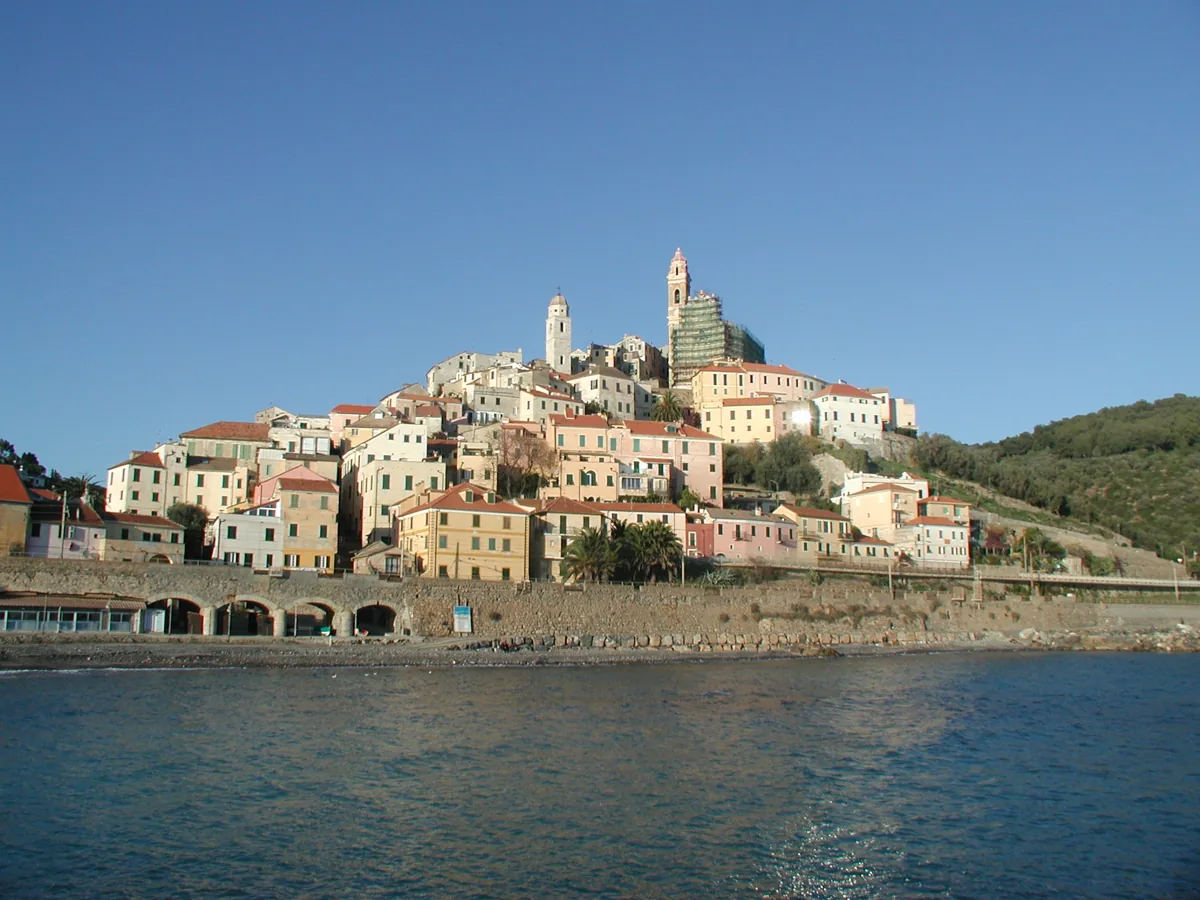
Key facts
- Liguria is ideal for beach holidays, city breaks, coastal walks, culture, touring, food and wine trips, and holidays in smaller towns.
- The Riviera di Ponente, west of Genoa, feels different from the Riviera di Levante, with Portofino, Cinque Terre and La Spezia.
- Many towns lie between the sea and the hillsides; check accommodation location, parking, proximity to the station and routes to the beach carefully.
- Genoa is the region’s main city gateway, while San Remo, Alassio, Cervo, Portofino, Camogli, Sestri Levante and La Spezia suit different kinds of trip.
- For Cinque Terre and popular coastal towns, train connections and time of day often matter more than the straight-line distance on a map.
- The inland areas are quieter and scenically appealing, but require more planning for getting around, shopping, dining out and excursions.
- Holiday apartments, holiday homes and hotels vary widely by location: close to the beach, in the old town, on a hillside, near a station, with parking or with a sea view.
- Short trips work better with one clear focus than with too many destinations spread far apart.
Planning a holiday in Liguria
Choosing the right location is the most important step. If you plan to spend a lot of time swimming, consider the type of beach, the season, how far it is to the sea and what the resort has to offer. If you want to visit towns, churches, harbours and historic centres, plan around train stations, parking and realistic daily distances. Hiking and excursions inland raise different questions: elevation changes, weather, driving times and getting back to your accommodation.
For a first trip to Liguria, it helps to divide the region into coastal sections. The Riviera di Ponente lies west of Genoa and includes San Remo, Diano Marina, Cervo, Alassio and Savona, among other places. The Riviera di Levante lies east of Genoa and stretches towards Portofino, Camogli, Sestri Levante, Cinque Terre and La Spezia. Both sides offer sea, towns and excursions, but differ in scenery, accessibility and pace of travel.
For practical basics, the Liguria information section offers introductions to landscapes, sights, history, specialities and transport. For types of travel such as camping, hotel stays, car hire, rail, ferries or harbours, the Holidays in Liguria section can help you narrow down your options.
Cities, coastal towns and regions
Many trips begin with the question of which town makes the best base. The Regions of Liguria page covers provinces, coastal towns and major destinations. This is particularly useful when you want your accommodation not only to be attractive, but also well placed for excursions, rail connections, beaches and shopping.
Genoa is the region’s largest city and a great place to explore the harbour, old town and museums, or to begin your visit to Liguria in an urban setting. To the east are places such as Portofino, Camogli and Sestri Levante, which are popular for coastal walks, small coves, picturesque townscapes and excursions along the Riviera di Levante.
West of Genoa, places such as San Remo, Alassio and Cervo are more associated with the classic Riviera, beach days, promenades, historic centres and holidays on the Riviera di Ponente. Around La Spezia, by contrast, the harbour, boat trips, Cinque Terre and proximity to Tuscany take centre stage.
Riviera di Ponente, Riviera di Levante and Cinque Terre
The Riviera di Ponente is a good fit for travellers who want to combine seaside resorts, promenades, olive-covered hills, the Flower Riviera and towns near the French border. For families and longer stays, easy access to accommodation, a beachside location and parking are often more important than fitting in as many excursions as possible.
In many places, the Riviera di Levante is steeper and more compact. Towns, coves and railway lines are often squeezed between the sea and the hillside. For popular destinations such as Cinque Terre, consider not only the distance but also how to get there, visitor numbers, the return journey and whether a day trip or a stay in the area would work better.
The old coastal route, the Via Aurelia, is another reminder of how strongly Liguria is shaped by routes along the coast. The road can be a rewarding part of a tour, but it is no substitute for realistic travel-time planning. Depending on the stretch, travelling by train or boat may be more relaxing than driving.
Food, culture and holiday ideas
Liguria is more than just coastline. In many towns, olive trees, herbs, little squares, churches and markets shape the experience. If you want to sample regional cuisine, pesto alla Genovese, olive oil, pasta, fish and simple local dishes are a great starting point for restaurant visits and shopping.
For culture and excursions, it is worth planning something other than a beach day every day. Genoa, Savona, La Spezia, Cervo, Portofino, pilgrimage churches, old villages and small harbours offer plenty to see in changeable weather or on quieter days. If you are travelling with children, look for short journeys, opportunities to take breaks and accommodation that does not make every outing dependent on the car.
Active travellers should consider hiking trails, coastal paths, climbing areas, cycle routes and the time of year. In summer, heat and crowds can affect your plans; outside peak season, opening hours, weather and transport connections become more important. For camping and simpler ways to travel, the introduction to camping holidays in Liguria offers further guidance.
Planning your arrival, transport and accommodation
The right accommodation depends greatly on your travel plans. A hotel in Genoa suits a city break and getting around by train; a holiday apartment on the coast works well for the beach and day-to-day life; a holiday home inland is better suited to peace and quiet, views and car-based excursions. The Accommodation in Liguria section brings together key starting points for holiday homes, apartments, hotels and destinations.
Without a car, larger towns and rail routes along the coast are often easy to plan around. The page on train connections in Liguria will help you get your bearings. A car offers more flexibility inland, but parking, access roads, narrow streets and the location of your accommodation matter more. If you arrive by plane or boat, check the information on airports in Liguria and ferry ports in Liguria against your accommodation location early on.
When choosing accommodation, consider its location, transport links, distance to the beach or station, parking, air conditioning, outdoor space, shopping options and realistic travel times to your planned destinations. For a week or longer, one base may be enough; for a tour between the Ponente, Genoa, Levante and La Spezia, two bases are often more relaxing.
Frequently asked questions about travelling to Liguria
Which part of Liguria is best for a first holiday?
The Riviera di Ponente is often a good choice for beaches, classic Riviera towns and quieter stretches of coast. The Riviera di Levante is a natural choice for Portofino, Camogli, Cinque Terre, La Spezia and many coastal walks. If you want to see Genoa, you can make it a focus of your trip or use it as a stop between the two sides of the coast.
Is it better to travel around Liguria by car or by train?
The train is convenient for many coastal towns, especially when parking is difficult or you are planning day trips. A car is often more useful for inland areas, more remote accommodation and flexible tours. The location of your accommodation is the deciding factor.
Where in Liguria is good for a beach holiday?
There are many options for a beach holiday on both the Riviera di Ponente and the Riviera di Levante. Alassio, Diano Marina, San Remo, Cervo, Sestri Levante and other coastal towns vary in their type of beach, promenade, family-friendliness, season and transport links.
How should I plan a visit to Cinque Terre?
Cinque Terre should not be treated as just a quick stop on a long list. Consider how to get there, train or boat connections, time of day, weather, the return journey and whether a day trip is enough or an overnight stay nearby would make more sense.
What should I look for in accommodation in Liguria?
Consider proximity to the beach or station, parking, whether the property is on a hillside, air conditioning, outdoor space, shopping options and distances to planned excursions. In many towns, a short distance as the crow flies can take longer than expected because of the elevation or narrow roads.
Is Liguria worth visiting outside summer?
Yes. Liguria can also be a great choice outside peak season for city visits, coastal towns, walks, food and wine, and quieter trips. However, it is worth checking the weather, opening hours, transport connections and accommodation facilities more carefully.
