
Taggiasca Olives from Liguria: Origin, Cuisine and PGI
The Taggiasca olive is a traditional variety from western Liguria. It is used as a table olive and for olive oil production; its name is closely associated with Taggia in the Province of Imperia. Since 2025, “Olive taggiasche liguri” has been registered in the EU as a Protected Geographical Indication (PGI). This designation applies to certain olive products—not to every oil made from the Taggiasca variety.
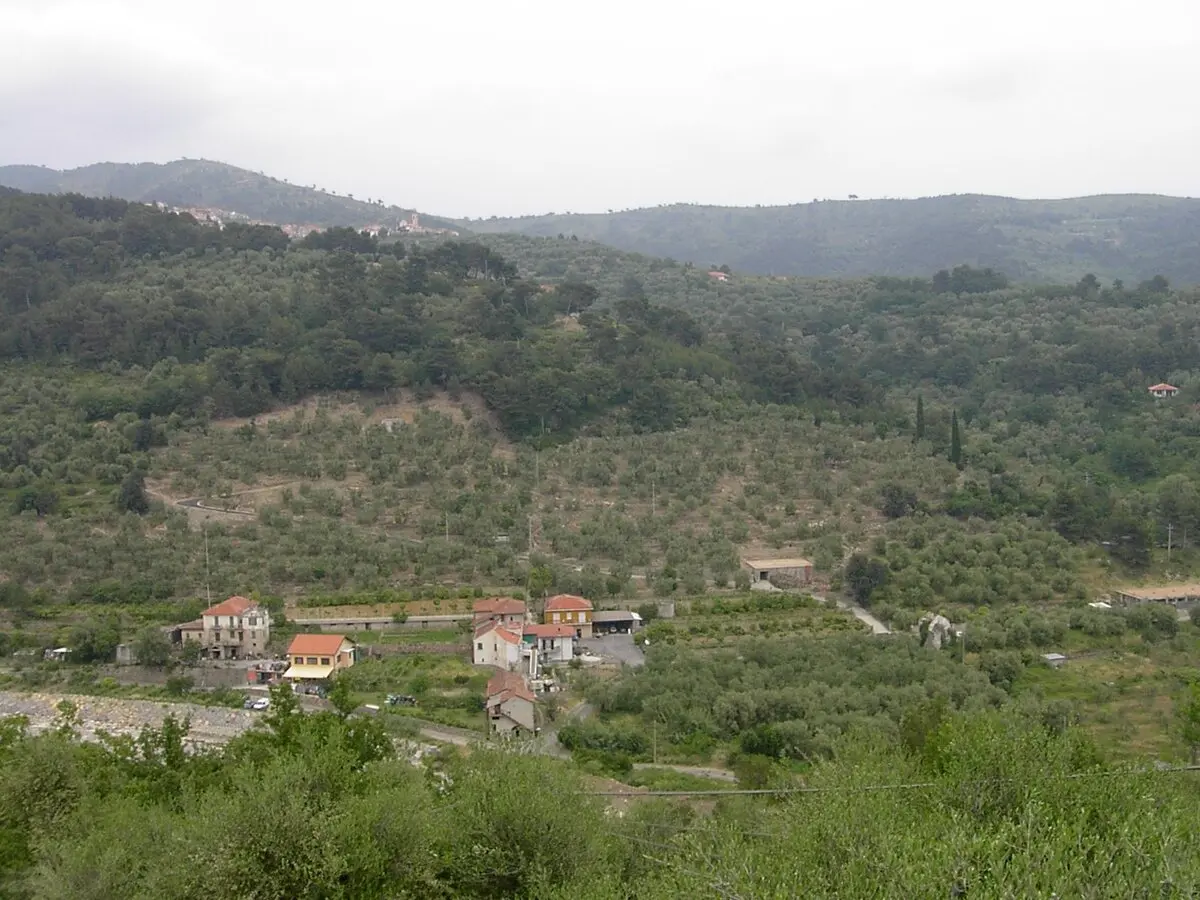 Olivenhaine an den Hängen bei Pairola in Ligurien.
Photo: Rainer Lenk
Taggiasca olives: key facts
- Origin: The variety is especially widespread in western Liguria, particularly in the Province of Imperia and parts of the Province of Savona.
- Two uses: Taggiasca olives are processed as table olives and pressed to make olive oil.
- Taste: The oil is often described as fruity, with a delicate sweet note; the flavour profiles of table olives and oil differ.
- Protected designation: The “Olive taggiasche liguri” PGI applies to specifically defined olive products from the designated area.
- Harvest: The usual harvest period runs from November to February; the precise timing depends on ripeness and local conditions.
Variety, name and landscape
The Taggiasca is an olive variety from Liguria, named after the town of Taggia in the Argentina Valley. It is mainly grown in the western part of the region: the Province of Imperia and neighbouring areas shape its cultivation and culinary traditions. In the hills, olive groves and terraced plots—known in Ligurian as “fasce”—are part of the landscape. Along the Riviera dei Fiori, too, the coastline meets a cultivated hinterland.
The variety has two culinary uses. As a table olive, it is cured and sold whole, pitted or further processed. For oil, the fruit is pressed. These are distinct products: their taste, processing and labelling should not be confused.
What the protected PGI means
In 2025, the EU registered the geographical indication “Olive taggiasche liguri”. It protects table olives and olive paste made from the Taggiasca variety, provided the products meet the specified origin and product requirements. The EU regulation registering “Olive taggiasche liguri” sets out the protected name. A label bearing only the variety name “Taggiasca” does not therefore automatically mean that a product carries the PGI.
“Riviera Ligure” olive oil with Protected Designation of Origin (PDO; Italian DOP) is a separate product designation. The current oil specification allows several olive varieties from Liguria, so it is not synonymous with “100% Taggiasca oil”. When shopping, it is worth distinguishing the precise protected designation from the type of product shown on the label.
Taste and uses in the kitchen
For cured Taggiasca olives, the product specification describes a balanced flavour with a slight acidity and a subtle bitter note. Oil made from the variety is generally described as fruity and delicate; the harvest and processing affect its character. Whole or pitted olives work well as part of an antipasto selection or finely chopped into sauces. The oil is ideal for finishing vegetables, fish and pasta. For more regional dishes, specialities from Liguria, Pesto alla Genovese and wine from Liguria offer a taste of different aspects of the local food culture.
Taggia as a starting point for a food-focused trip
Those who want to discover Taggiasca olives beyond the jar or plate can use Taggia and the Argentina Valley as a cultural starting point and combine their visit with a trip to the coast. The exact itinerary depends on which places and producers are actually open; tastings and mill visits are not automatically available everywhere. An overview of accommodation in Taggia can help you choose a base near the town that gave the olive its name.
Taggiasca olive FAQ
When are Taggiasca olives harvested?
The usual period is from November to February. Ripeness and local conditions affect the exact timing, so visiting during the harvest season does not guarantee that a producer will be open to the public.
Does the PGI also cover Taggiasca olive oil?
No. The “Olive taggiasche liguri” PGI protects specified table olives and olive paste. Olive oil has its own product and origin labelling; “Riviera Ligure” PDO is a separate designation.
Is all Riviera Ligure PDO oil made from Taggiasca olives?
No. The current “Riviera Ligure” PDO specification includes several approved olive varieties from Liguria. The protected origin name therefore does not automatically mean that only Taggiasca olives were used.
