
Ceramics in Albisola: tradition and places to visit
Albisola is not a single museum destination: Albisola Superiore and Albissola Marina are neighbouring, independent municipalities. If ceramics are your main interest, it is well worth combining a collection visit with a walk. The Museo della Ceramica Manlio Trucco in Albisola Superiore traces local developments from the 15th to the 20th century; Albissola Marina complements it with MuDA and the Lungomare degli Artisti, where artworks are incorporated into public spaces by the sea.
From historic vessels to modern ceramics
At the Museo Manlio Trucco, at Corso Ferrari 193, the exhibition takes you through different periods and uses. The municipal museum’s description mentions early pieces from the 15th century, apothecary and hospital vessels from the 17th and 18th centuries, dark everyday wares from the 19th century and the colourful developments of the 20th century. Futurists and Arturo Martini are also represented. So you can see not only individual pieces made for display, but also follow how materials, decoration and use have changed over time. If you are looking for a historical overview first, this is the best place to start.
Albissola Marina as an open-air museum
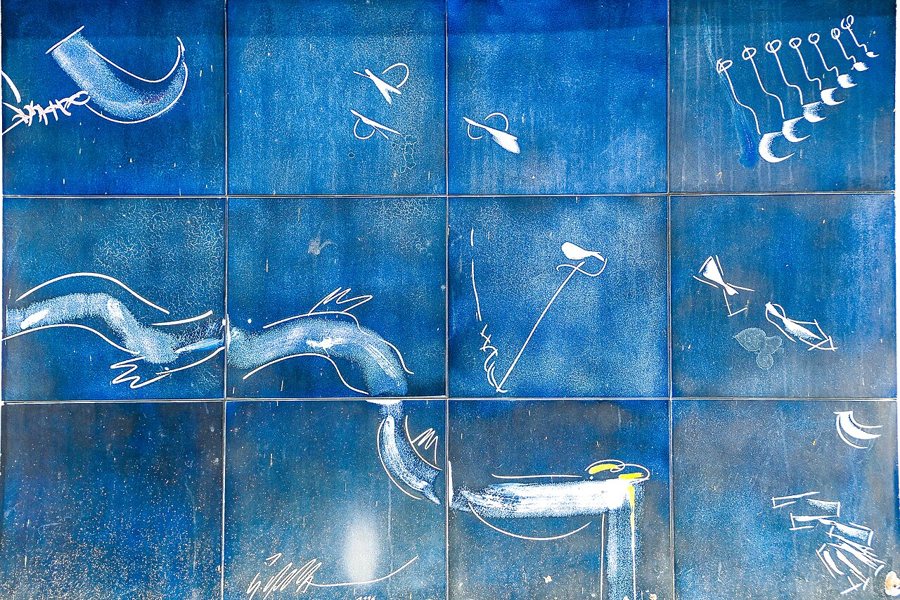
In neighbouring Albissola Marina, a museum visit and a walk through the town go hand in hand. The Museo Diffuso Albisola (MuDA) comprises exhibition venues and art in public spaces; these include the Casa Museo Asger Jorn. From there, walk through the streets to the seafront promenade, the Lungomare degli Artisti. Works by various artists are incorporated into the pavement and design of the promenade, creating an art trail you can enjoy in public spaces without paying an entrance fee. The tourism website lists more than twenty works there, so it is worth taking a leisurely stroll rather than stopping briefly for a photo. Unlike an enclosed collection, this stretch also takes you down to the sea; allow time for breaks and to take in the individual plaques and artworks.
A day trip works well as two distinct stages: first, the chronological collection in Albisola Superiore, followed by MuDA and the Lungomare in Albissola Marina. The regional tourism website also lists Savona’s ceramics museum as a third stop; if you are planning more than one day, the city makes a good addition. For an overview of other coastal towns, see the Province of Savona; for more on the craft tradition, visit Crafts in Liguria. Plan your train journey and find suitable accommodation near the places you are visiting via Train connections in Liguria and the accommodation guide.
This visit also makes a good change of pace from a day spent entirely on the beach: you move from an indoor collection arranged chronologically to an open setting shaped by the sea. If you are travelling with children, the public art trail is an easy-going part of the outing; the regional tourism website also mentions ceramics workshops at the museum in Savona. These are in Savona and should be planned as a separate trip, not as part of a visit to the two Albisola municipalities.
This combination is especially appealing if you want to discover ceramics not just as souvenirs, but as part of local history: the collection explains the craft and changes in style, while the promenade shows how art finds its way into everyday life and the coastal landscape.
