
Musei di Strada Nuova
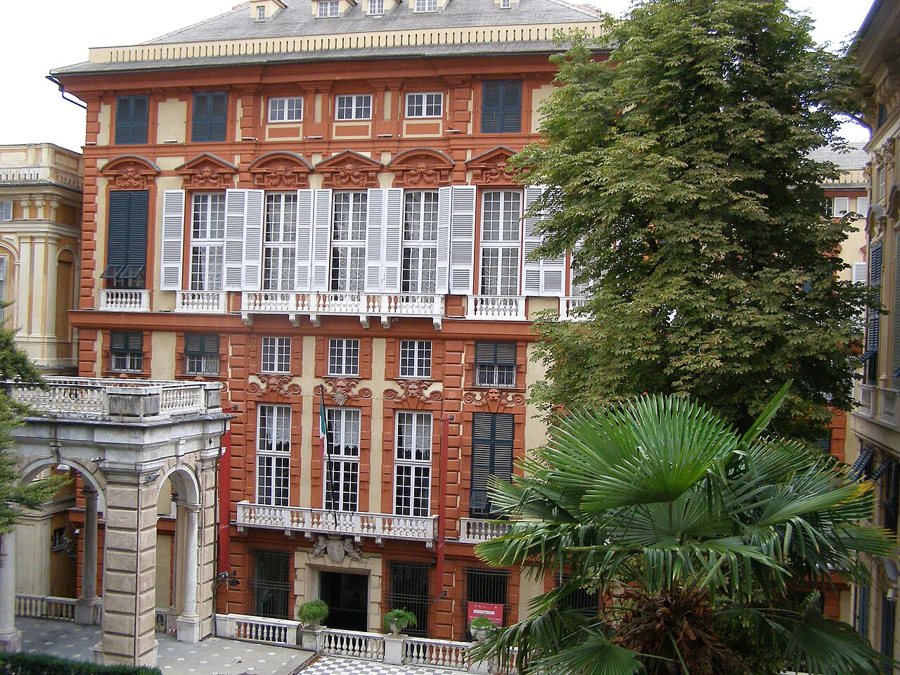
The Musei di Strada Nuova link Palazzo Rosso, Palazzo Bianco and Palazzo Doria-Tursi on Via Garibaldi in a continuous visitor route. The street was laid out in the 16th century as an address for Genoa’s elite, so the palaces can be read both as art collections and as expressions of aristocratic status. For example, you can follow the route from Palazzo Rosso through Palazzo Bianco to Palazzo Doria-Tursi, moving between interiors, courtyards, loggias, garden areas and terraces.
From patrician residence to picture gallery
Palazzo Rosso presents the Brignole-Sale family residence, with period furnishings, frescoes and stucco decoration. The collection, displayed in richly decorated living spaces, helps you see the art in the context of its original use. Palazzo Bianco is the main picture gallery. Alongside 16th-century Ligurian painting, you’ll find Italian and European works, including Flemish and Spanish paintings. The collection spans Renaissance pictures through early 17th-century painting; its leading artists include Veronese, Caravaggio, Van Dyck and Guido Reni.
The passage to Palazzo Doria-Tursi takes you past the former site of the monastery of San Francesco di Castelletto, whose architectural remains are incorporated into the route. This makes the transition from picture gallery to urban residence tangible in the spaces themselves. Tursi is also home to the city administration today; its museum section rounds off the visit with paintings, tapestries, Ligurian ceramics and other decorative arts. It houses Niccolò Paganini’s famous violin, the “Cannone.” If Paganini is a particular interest, make a point of visiting this final section so you don’t miss the instrument among the other rooms.
The route and getting there
The full experience spans more than seventy rooms on several levels. Follow the marked route from Palazzo Rosso through Palazzo Bianco to Tursi, where gallery rooms alternate with architectural features and outdoor spaces. Take time to enjoy the salons, ceiling paintings and views. To find your way around the historic center, the Genoa city guide complements your museum visit; the regional guide can help you include it in a longer stay in Liguria.
The museums are on Via Garibaldi, about a five-minute walk from De Ferrari metro station. Buses stop at Piazza Fontane Marose or Piazza Portello; the Sant’Anna and Zecca-Righi funiculars also take you nearby. The main entrance is accessible, and the exhibition route covers four floors, served by an elevator. Wheelchair users can enter via the bookshop and take a ramp to Palazzo Bianco. Palazzo Rosso has a multisensory route featuring tactile models and maps, as well as videos in Italian Sign Language.
If you’d like to pair art from the Republic of Genoa with another stop in the old town, you can visit the guide to Palazzo Ducale next. The rail guide can help with travel between your accommodation and the city center, while the Liguria accommodation overview can help you find a place to stay near the historic center.

