
Museums in Genoa
Genoa offers five very different museum experiences: Galata Museo del Mare tells the story of the port, seafaring and migration; the Musei di Strada Nuova bring together three aristocratic palaces and historic art; Palazzo Reale showcases princely and royal apartments; Palazzo Spinola combines a preserved historic residence with the Galleria Nazionale della Liguria; and Castello d’Albertis explores the travel and collecting history of a Genoese sea captain. Start by choosing according to subject and location in the city, rather than looking for one all-purpose “most important” museum.
Collections and visitor interests
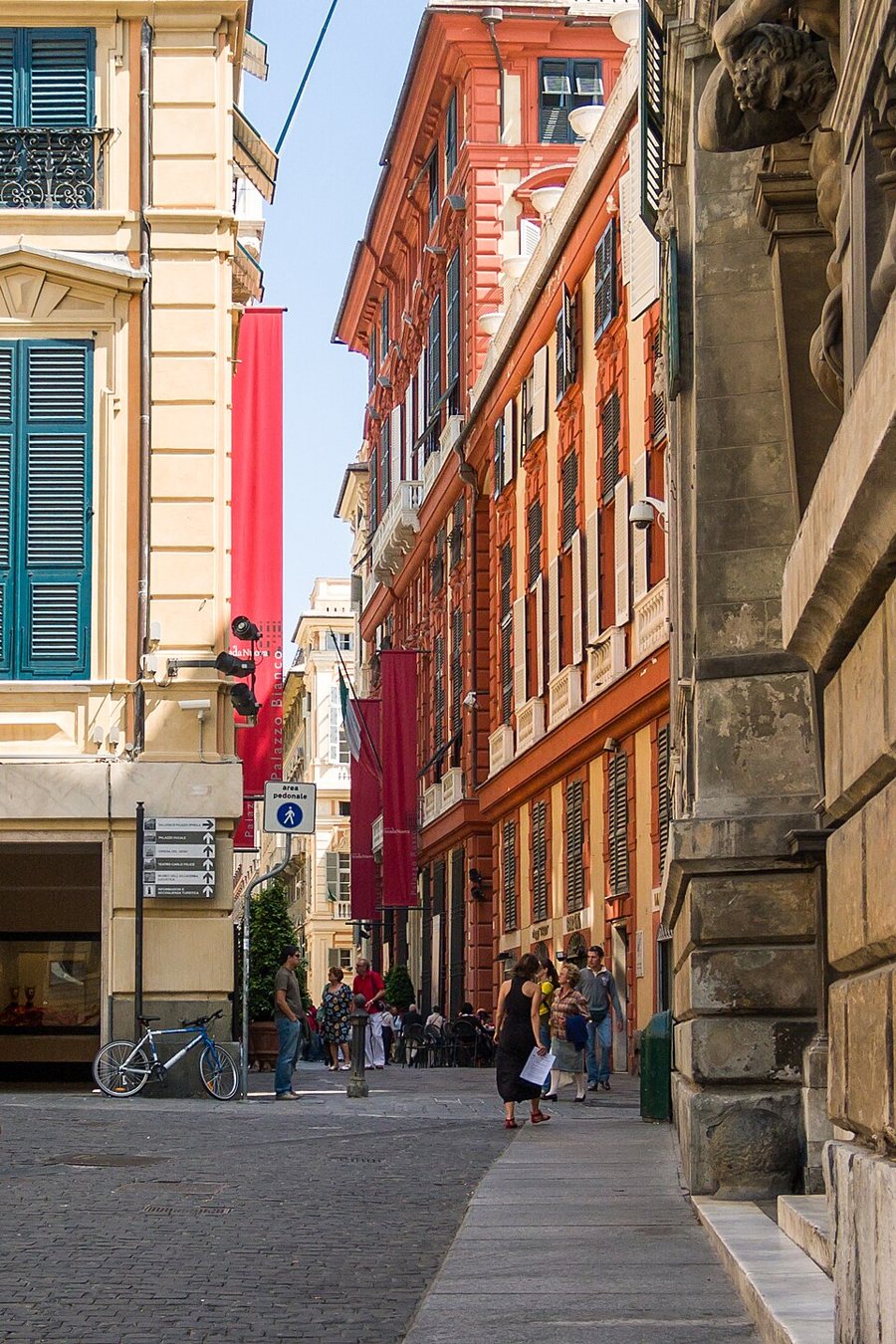
For the history of the port and seafaring, choose Galata: models and reconstructions of a galley, sailing ship and steamship, historic nautical charts, navigation instruments, the Memoria e Migrazioni exhibition and the Nazario Sauro submarine offer a multifaceted experience. The Strada Nuova museums are a good choice if you want to see paintings and sculpture alongside the rooms of an aristocratic residence. Palazzo Rosso preserves the Brignole-Sale family’s domestic setting; Palazzo Bianco brings together Italian and European painting; and Palazzo Doria-Tursi is home to notable works of decorative art and Paganini’s violin, the “Cannone.”
Palazzo Reale is the choice for a procession of grand rooms: the Hall of Mirrors, Throne Room, paintings and furnishings tell the story of the Balbi and Durazzo families and, later, the Savoy court. Palazzo Spinola is also a residential palace, but its upper floors house a distinctive art gallery. Here you can view works such as Antonello da Messina’s “Ecce Homo,” Rubens’s equestrian portrait of Giovan Carlo Doria and Giovanni Pisano’s sculpture “Justice” in the context of a patrician home. Castello d’Albertis stands apart for its Neo-Gothic architecture and ethnographic and archaeological collections from five continents.
Location and a practical order for your visit
Galata and Palazzo Reale are in the Darsena–Piazza Principe area and can be combined with a visit to the port district in one day. The submarine is right beside the Darsena; Palazzo Reale is on Via Balbi and is within walking distance of Genova Piazza Principe station. The Strada Nuova palaces are on Via Garibaldi in the historic centre; Palazzo Spinola is near the old town’s narrow streets, on Piazza di Pellicceria. These two destinations make a good art-and-palaces day. Castello d’Albertis stands above Principe; the Montegalletto lift connects the station area with the castle, so you don’t have to plan for a long climb up stairs.
For an initial overview of the city, the Genoa city guide introduces its neighbourhoods and attractions; the overview of the Province of Genoa is useful for trips outside the city. If you’re combining the port with Galata, Porto Antico provides the right geographical context. Treat Palazzo Ducale as a separate destination, with its changing exhibitions and events; see the separate Palazzo Ducale guide for details. For journeys between the station and the museums, use the Liguria rail overview; the accommodation guide can help you choose a convenient base in the city.
Choose accommodation to suit your museum plans
If Galata, Palazzo Reale and Castello d’Albertis are your main priorities, the area around Piazza Principe or Darsena is convenient: the station, the Montegalletto lift to the castle and the maritime museum are all in a well-connected part of the city. For Strada Nuova and Spinola, consider staying in the historic centre, so you can walk between the palaces and narrow streets. If you plan to visit several museums on different days, you can combine these areas without having to change accommodation each evening. Accessibility varies by museum and area: most of Galata’s main building is accessible, but the submarine is not; at Palazzo Spinola, some floors cannot be reached by lift.

