
Places to visit in Liguria
Places to visit in Liguria range from port cities and coastal villages to vineyards and mountain trails. Start by choosing a theme and a region you can realistically reach; a short, well-planned list leaves more time to enjoy a place’s history, food and character.
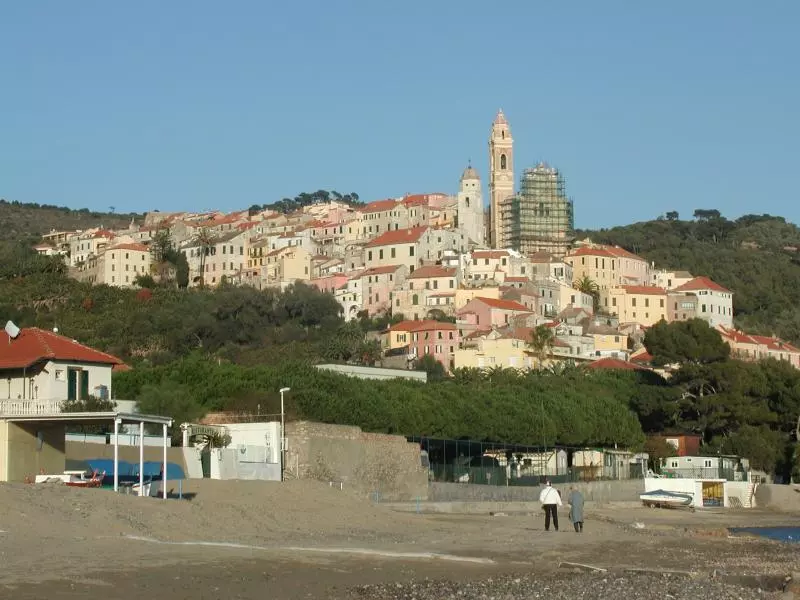 Ligurien steckt voller großer und kleiner Sehenswürdigkeiten
Photo: M- Lenk
Ligurien steckt voller großer und kleiner Sehenswürdigkeiten
Photo: M- Lenk
Quick facts for planning your visits
- Genoa, Savona, Imperia and La Spezia each offer a distinct cityscape and cultural highlights.
- Genoa’s UNESCO site, the Strade Nuove and the Palazzi dei Rolli, was inscribed in 2006.
- Portovenere, the Cinque Terre and the islands of Palmaria, Tino and Tinetto form a UNESCO World Heritage Site, inscribed in 1997.
- Check current access, seasonal opening and ticket rules for caves, ships and museums.
- Whale watching takes place in the wild, so sightings cannot be guaranteed.
Genoa: urban history and architecture
If you want to explore palaces, churches and historic streets, Genoa is a good place to start. The Strade Nuove and the Palazzi dei Rolli are part of a UNESCO-recognised World Heritage Site. The designation applies to a connected group of buildings, not to every building in the city. A walk through the old town can therefore be combined with a focused visit to selected palaces or museums. Opening days and guided tours vary from one building to another, so check the information provided by each venue before building a fixed itinerary around it.
Genoa is also a port city with a long trading history. To explore this side of the city, pair its architecture with a stroll around the old port and view today’s port facilities from publicly accessible areas. Our guide to places to visit in Genoa highlights more destinations. Allow plenty of time: a packed schedule of museums and steep lanes can be more tiring than the map suggests.
Eastern Liguria: the Cinque Terre and Golfo dei Poeti
Further east, the Cinque Terre, Portovenere and the islands of Palmaria, Tino and Tinetto are part of the UNESCO World Heritage Site “Portovenere, Cinque Terre, and the Islands.” The designation recognises a landscape in which settlements, steep coastlines and terraces maintained over generations are closely connected. A visit is therefore more than a photo stop: trails, stairs, elevation changes and connections between towns all shape the day. Before setting out on a hike, check trail conditions, access and the rules currently in force.
Portovenere and the towns around the Golfo dei Poeti make a great focus for a separate visit; there is no need to squeeze them into the same day as several Cinque Terre villages. Ferry services may depend on the season, weather and daily schedule. Our guides to Portovenere and La Spezia can help you distinguish between the starting points.
A city visit with local character
A city stroll is well worth it beyond Genoa, too. In Savona, take in the historic lanes and Priamar fortress; in Imperia, the two districts of Oneglia and Porto Maurizio differ in both setting and appearance. La Spezia combines life on the gulf with museums and an urban waterfront. The city guide to La Mia Liguria presents these four provincial capitals side by side. It’s a good starting point for choosing distinct highlights rather than planning several similar city visits.
For art and culture, include a market, museum, place of worship or public square in your walk. Opening hours and access restrictions can change, so if a particular place is the reason for your trip, check its visitor information directly. A leisurely stroll through a historic centre is not the same as guaranteed access to a private villa, a church during a service or an active port area.
Caves and geological history near Toirano
The Grotte di Toirano reveal an underground landscape and traces of early human settlement. A guided visit is a very different experience from a self-guided coastal walk: temperatures, surfaces and lighting inside a cave can differ considerably from conditions outside. Check in advance for reservations, tour arrangements, clothing and footwear. The municipality may update visitor conditions and seasonal schedules, so don’t rely on information from an old travel guide.
If you’re combining a cave visit with a coastal itinerary, allow time for the drive and guided tour rather than adding several more far-flung destinations. Current information from the operator is especially important for families with young children, people with claustrophobia and visitors with limited mobility. The visit is most rewarding when it suits the group’s interests and physical needs.
Put local history in context
Some places are known for an unusual story. Seborga has a local history associated with the title “Principality.” When visiting, it’s worth distinguishing the local narrative from the town’s status under constitutional law. The municipality’s own historical account points to gaps in the historical record and to an early surviving reference, so later interpretations should be presented as such. Regardless, the village is well worth exploring as a place in Liguria’s hinterland.
A broader overview of Liguria’s history can help put individual stories into a wider historical context. If you’re interested in art or craftsmanship, choose a well-documented museum or recognised collection rather than an unconfirmed workshop visit.
Whale watching and nature experiences
The Ligurian Sea is part of the Pelagos Sanctuary for marine mammals. A whale-watching trip is a wildlife experience, and sightings are never guaranteed. When choosing an operator, look for clear information about the route, weather-related cancellations and rules for observing wildlife. Keeping a respectful distance from animals matters more than getting a close-up photo; follow the crew’s instructions on board and avoid tours that promise sightings or contact with the animals.
You can also combine nature and culture on land: coastal paths, hillsides and terraces vary in steepness and exposure. Choose a route and distance to suit the weather, daylight and your fitness level, and check that the trail is open before setting off. Our overview of Liguria’s coast and landscapes can help you get your bearings.
Fewer destinations, more time to enjoy each one
Plan your visits around a main theme: one day for a city and its architecture, another for the coast or a cave. Factor in admission, reservations, walking time, breaks and the return journey. If you’re travelling with a partner or family, choose activities everyone is interested in—history, food, scenery or an experience on the water. This makes for a realistic itinerary that doesn’t assume every place will always be open or easy to reach from the others.
For recurring events, see our events guide to Liguria; specific dates depend on the edition. Before making plans around a time-sensitive attraction, check the latest information from the museum, municipality, protected area or event organiser.
