
Val di Vara: Villages and places to stay in the valley
The Val di Vara encompasses an extensive inland area of the Province of La Spezia. The Vara River links the landscape from the slopes of Monte Zatta to its confluence with the Magra; along the way, river plains give way to wooded hills, small villages and higher ridges. The four towns lie in different parts of the valley: Brugnato and Pignone have clearly defined town centres, Riccò del Golfo spreads its sights across several hamlets, and Calice al Cornoviglio leads into hilly terrain dotted with numerous settlements.
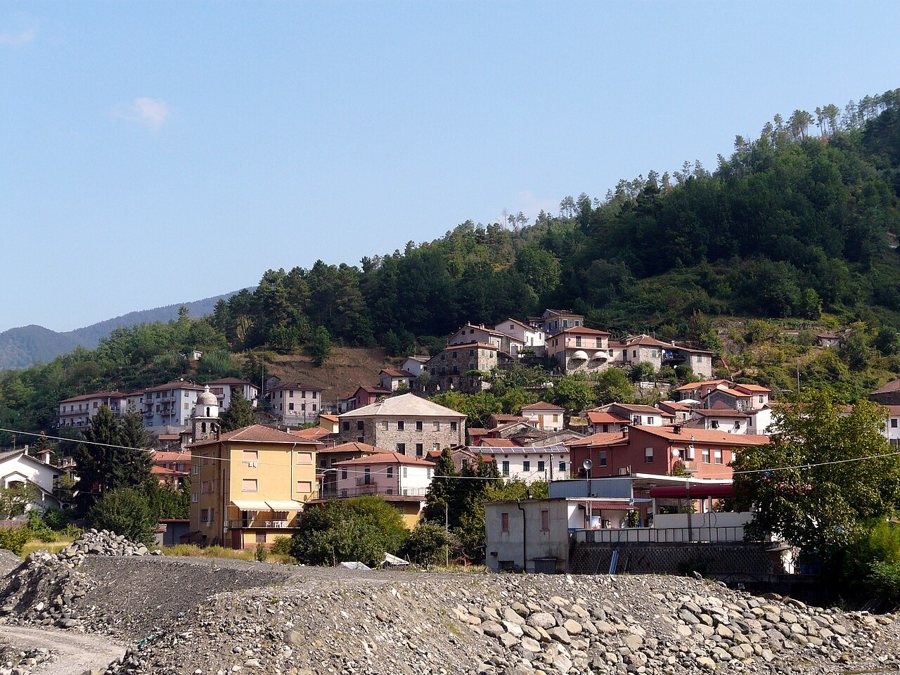
Which town is right for your stay?
Brugnato makes a good cultural introduction to the middle of the valley. Its compact historic centre is easy to explore on foot, with the cathedral, bishop’s palace and old town gates close together. Pignone is a better choice if you would like to combine a stroll through a village with a short trip to a historic aqueduct and a site of geological interest. The local council signs the way to the Sant’Antonino karst area along the road towards Casale.
Riccò del Golfo comprises the main town and numerous scattered hamlets. Some of the most interesting places to visit are in Ponzò and Quaratica, along with the religious buildings: the visit is shaped by a medieval village layout, covered lanes and viewpoints. In Calice, Castello Doria Malaspina and its collections are the main cultural attraction; the municipality lies mostly in hilly and mountainous terrain between the Vara and Magra valleys. If you plan to visit several hamlets and higher-altitude areas, staying inland makes more sense than travelling there from the coast every day.
The town profiles also reflect different scales: Brugnato’s compact old centre can be explored on foot, while Riccò and Calice each comprise numerous settlements. If you have only half a day to spend in the valley, it is best to combine Brugnato with a nearby stop. With several days, a base in the valley lets you explore the hamlet landscapes of Riccò and the hilltop settlements of Calice separately. Pignone, between the village centre, Casale and the road to Levanto, offers a link between these different kinds of visits.
Where to stay and how to get around
If you mainly want short walks between historic buildings, choose Brugnato as a base for the day and combine it with nearby towns in the valley. To reach Pignone, plan your drive along the Brugnato corridor and the Aurelia to Pian di Barca; the municipal description continues from there towards Pignone and Levanto. Riccò, with its many hamlets, is better explored through several targeted stops than one long walk. In Calice, focus your visit on Castello di Calice and treat the other settlements as separate destinations. Accommodation elsewhere in the province is convenient if you want to mix trips into the valley with days on the coast or in the Cinque Terre; if you plan to spend more time inland, an overnight stay closer to the valley towns will cut down on daily return journeys.
In the upper valley, Varese Ligure adds another distinctive town to the picture. For an overview of the wider area, see the La Spezia Province guide; coastal additions include Levanto and the Cinque Terre comparison. Plan where to stay with the Liguria accommodation overview and work out your driving legs with the driving guide. The rail guide is useful for coastal stretches that you may want to combine with your stay in the valley.

